Why Is Gallbladder Disease Incre...
- Nov 23, 2026


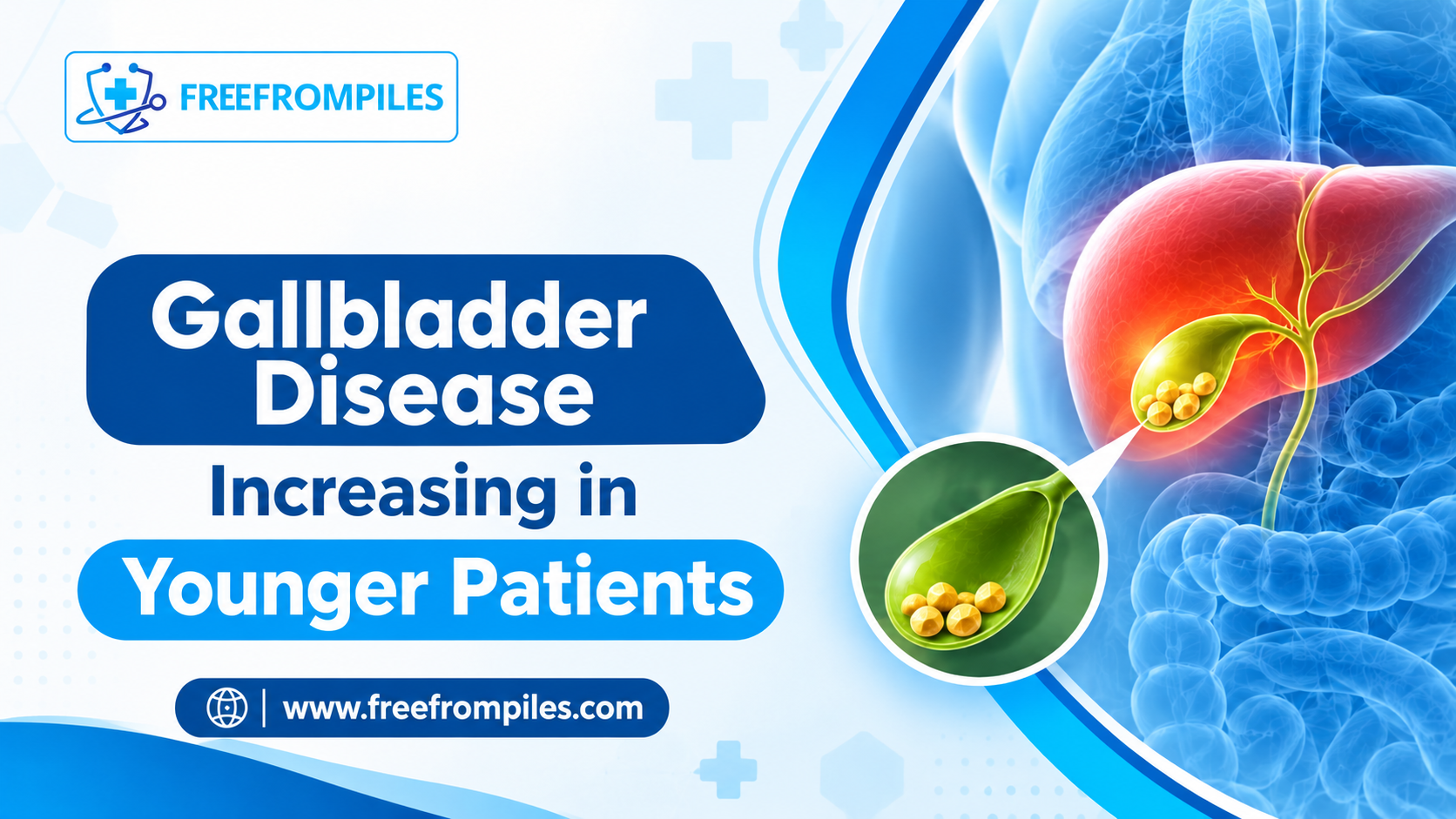
Gallstones are no longer uncommon in patients in their 20s and 30s. In recent years, the number of young patients visiting surgeons in Rajasthan (and across India) with gallstones has increased significantly.
If you have been suffering from sharp pain in your upper abdomen and assuming it is just wind or acidity, this blog post is for you. We look at why gallbladder disease is appearing at younger ages, which symptoms to watch for, and how it can be managed. If you are looking for a gall bladder stone hospital in Bharatpur, this blog will also help you understand what to expect from diagnosis to treatment.
The gallbladder stores bile produced by the liver. Bile helps digest fats. Problems begin when solid substances build up in the bile. Cholesterol and bilirubin can harden into stones, ranging from sand-like particles to golf-ball-sized stones. These can block the bile ducts and lead to cholecystitis (inflammation of the gallbladder). Severe cases can cause infection and pancreatitis.
There are several reasons, and they are often linked to lifestyle and body factors.
A routine of late-night eating, frequent restaurant meals, chips, and sugary foods means a very high intake of refined carbohydrates, saturated fats, and sugar. This raises the cholesterol level in bile and increases the risk of gallstones. Young people eat out more and cook less, so this pattern often begins early.
Desk jobs and long hours on screens slow down how quickly the gallbladder empties. Bile becomes thicker, and stones form more easily. Regular physical activity keeps digestion and gallbladder function smooth.
Being overweight, especially around the waist, is a major risk factor. Excess weight makes the liver secrete more cholesterol into bile. It can also lead to fatty liver disease. More and more young adults now have type 2 diabetes and insulin resistance, which raise the risk further.
Many people are surprised by this one. Losing weight is healthy, but losing it rapidly is not. Starvation diets, very low-calorie diets, and some fad diets cause the liver to release extra cholesterol into bile, while the gallbladder empties less often. This creates ideal conditions for stones. Weight-loss surgery can have the same effect, so follow-up after these procedures is important.
Gallstones are more common in women. Oestrogen increases cholesterol in bile and can slow gallbladder movement. Pregnancy, hormone replacement therapy, and long-term use of certain oral contraceptives can contribute.
If a parent or sibling has had gallstones, your risk is higher. Genetics can affect how your body processes cholesterol and bile. You can’t change this, but knowing your risk allows early action.
To be honest, part of the rise is simply better detection. Ultrasound is now widely available, and gallstones are often found in young people during scans done for other reasons. Awareness has also increased, so people seek help earlier.
Many people have silent gallstones and never feel any symptoms. When symptoms do appear, they commonly include:
If you notice jaundice (yellow skin or eyes), fever with chills, dark urine, pale stools, or very severe pain, seek urgent medical advice. These can indicate infection or a blocked bile duct, and prompt treatment is essential.
Many young people don’t believe they can have gallbladder problems. They take an antacid, tweak their diet slightly, and carry on. The pain settles, and they forget about it. Often the next attack is much worse. Repeated episodes raise the risk of complications such as pancreatitis, and emergency surgery is more stressful for the body than planned surgery.
So if you have had typical gallbladder symptoms even once, it is a good idea to get an ultrasound.
At Pradeep Hospital, you can get complete care for gallbladder stones, from diagnosis to surgery and recovery. Dr. Madhav Mayank Sharma, an experienced laparoscopic surgeon in Bharatpur, assesses each patient individually. Treatment usually involves:
Most patients go home after one or two days and can resume light activity after about a week. Recovery varies from person to person, so follow your surgeon’s advice.
Yes, you can live a completely normal life without a gallbladder. Your liver continues to produce bile, which flows directly into the intestine.
You can’t change your genes, but you can improve your odds:
Gallbladder disease in young adults is increasingly common, largely because of modern lifestyles. The good news is that it is very manageable, and early detection helps you avoid complications. If you have recurring upper abdominal pain after eating, get it checked instead of reaching for another antacid.
If you or a family member has upper abdominal pain, book a consultation with Dr. Madhav Mayank Sharma at Pradeep Hospital, Bharatpur. Whether you need a diagnosis, a second opinion, or gallstones treatment in Bharatpur, the right care at the right time can save you weeks of discomfort and prevent serious complications.
Yes. Although the risk increases with age, gallstones are now commonly diagnosed in people in their 20s and 30s, often linked to obesity, crash diets, or family history.
Silent gallstones may not cause problems and can simply be monitored. But if symptoms develop, seek treatment to avoid complications.
In most cases, no. Symptoms may settle temporarily, but the stones rarely disappear, and attacks tend to return.
Yes. Laparoscopic cholecystectomy is one of the most commonly performed surgeries in the world, and it is safe and effective when done by an experienced laparoscopic surgeon in Bharatpur or elsewhere.
Pradeep Hospital in Bharatpur offers diagnosis, laparoscopic surgery, and recovery care for gallstones under one roof.
 Optimized by Seraphinite Accelerator


