Happy Patients

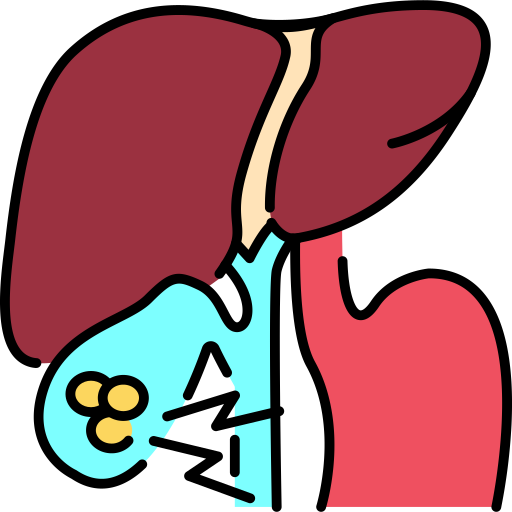
Gallstones are hardened deposits that form in the gallbladder, a small organ beneath the liver. The gallbladder stores bile, a digestive fluid produced by the liver, and releases it into the small intestine to aid in the digestion of fats. Gallstones can develop when the balance of substances that make up bile, such as cholesterol and bilirubin, is disrupted, leading to the formation of solid particles. These particles can range in size from small, sand-like grains to larger, marble-sized stones. Gallstones may not cause symptoms for some individuals, but they can lead to complications such as inflammation of the gallbladder or blockage of the bile ducts, causing pain, nausea, and other digestive issues.
In severe cases, surgical removal of the gallbladder may be necessary to alleviate symptoms and prevent further complications. Dietary changes and medications may also be recommended to manage gallstone-related issues.
Gallstones don't always cause symptoms, and many people may have gallstones without being aware of them. However, when symptoms do occur, they can range from mild to severe. Here are common symptoms associated with gallstones:



Gallstones form when there is an imbalance in the substances that make up bile, a digestive fluid produced by the liver. The specific causes of gallstones can vary, and multiple factors may contribute to their formation. The two main types of gallstones, cholesterol gallstones, and pigment gallstones, have different underlying causes:
Cholesterol Gallstones:
Pigment Gallstones:
Other Contributing Factors:
Certain Medical Conditions: Diseases such as diabetes and metabolic syndrome may increase the risk of gallstones.
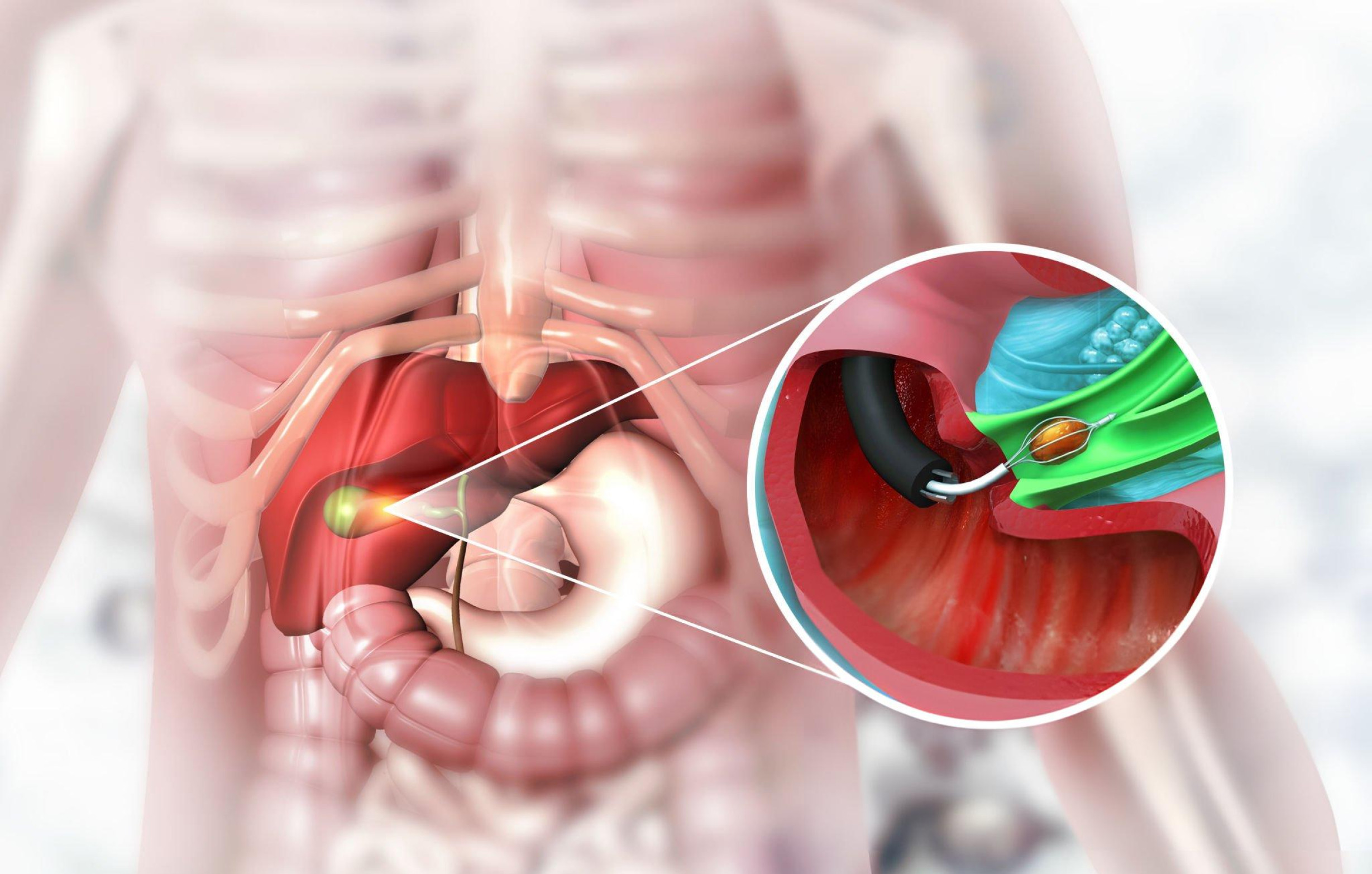
Your healthcare provider will conduct a physical examination and may order the following tests:
Endoscopic Ultrasound: Combining ultrasound and endoscopy, this test is effective in detecting gallstones located in challenging areas not easily visible with other imaging methods, such as the common bile duct as it passes through the pancreas.
The treatment of gallstones depends on various factors, including the presence of symptoms, the type of gallstones, and the severity of the condition. Here are common approaches to gallstone treatment:
Observation (Watchful Waiting):
If gallstones are small and asymptomatic, a healthcare provider may choose a conservative approach and monitor the patient without immediate intervention. Lifestyle changes, such as adopting a low-fat diet, may be recommended to manage symptoms and prevent further gallstone formation.
Medications:
Medications may be prescribed to dissolve cholesterol gallstones. Ursodiol is a bile acid that can help dissolve small cholesterol stones over time. This treatment is typically not effective for larger stones.
Surgery (Cholecystectomy):
Endoscopic Procedures:
In some cases, gallstones in the bile ducts can be removed using endoscopic techniques.
Endoscopic retrograde cholangiopancreatography (ERCP) may be performed to remove stones from the common bile duct using an endoscope.
Shock Wave Lithotripsy:
This non-invasive procedure uses shock waves to break down gallstones, making them easier to pass. However, it is not as commonly used as other treatment options.
Extracorporeal Shock Wave Lithotripsy (ESWL):
This technique is more commonly used for kidney stones but can be employed for certain types of gallstones. It involves using shock waves to break the stones into smaller fragments that can be excreted.
Gallstones are solid particles that form in the gallbladder, a small organ beneath the liver. They can vary in size and composition. There are two main types of gallstones:
Cholesterol Gallstones:
Pigment Gallstones:
Choosing Dr. Madhav Mayank Sharma for gallstone treatment in Bharatpur ensures access to unparalleled expertise and cutting-edge medical care. As a leading laparoscopic surgeon in Rajasthan, Dr. Sharma brings a wealth of experience to the table, specializing in advanced procedures that meet international standards.
His commitment to providing high-quality healthcare is evident through his track record of successful gallstone treatments. Patients can trust in his skill and dedication to delivering top-notch medical solutions.
To schedule an appointment with the best in the field, visit his website “Free from Piles” and take the first step towards comprehensive and world-class gallstone treatment. Don’t delay—opt for excellence in medical care with Dr. Madhav Mayank Sharma.
Gallstones are solid particles that form in the gallbladder, a small organ beneath the liver. They can vary in size and composition.
Gallstones form when there is an imbalance in the substances that make up bile, such as cholesterol or bilirubin. Factors like diet, genetics, and medical conditions can contribute to their formation.
Symptoms can include sudden and intense pain in the upper right abdomen, back pain between the shoulder blades, nausea, vomiting, and jaundice (yellowing of the skin and eyes).
Doctors typically use ultrasound imaging to visualize gallstones in the gallbladder. Other tests such as CT scans, MRIs, or a HIDA scan may also be used for diagnosis.
No, not all gallstones cause symptoms. Silent gallstones are often discovered incidentally during tests for other conditions and may not require treatment unless they become symptomatic.
While not all gallstones can be prevented, maintaining a healthy weight through diet and exercise, avoiding rapid weight loss, and eating a balanced diet rich in fiber can reduce the risk.
Treatment depends on the severity of symptoms. Options include medications to dissolve gallstones, nonsurgical procedures like shock wave lithotripsy, or surgical removal of the gallbladder (cholecystectomy).
Surgery is often recommended if gallstones cause recurrent pain or complications. However, nonsurgical treatments may be considered for certain cases, such as smaller stones that can be dissolved with medication.
Complications such as inflammation of the gallbladder (cholecystitis), blockage of the bile ducts, pancreatitis (inflammation of the pancreas), and infection can occur if gallstones are not treated.
Yes, adopting a diet low in fat and cholesterol, high in fiber, and avoiding rapid weight loss can help manage symptoms and reduce the risk of developing new gallstones.


